
Retail Loss Prevention: Protecting Your Store, Inventory and Customers
Retail businesses have to balance several priorities every day.
Customers expect a welcoming shopping experience, employees need a safe workplace, and management needs to protect valuable inventory.
Retail loss prevention services can help businesses address these priorities through professional security presence, observation, reporting, and established store procedures.
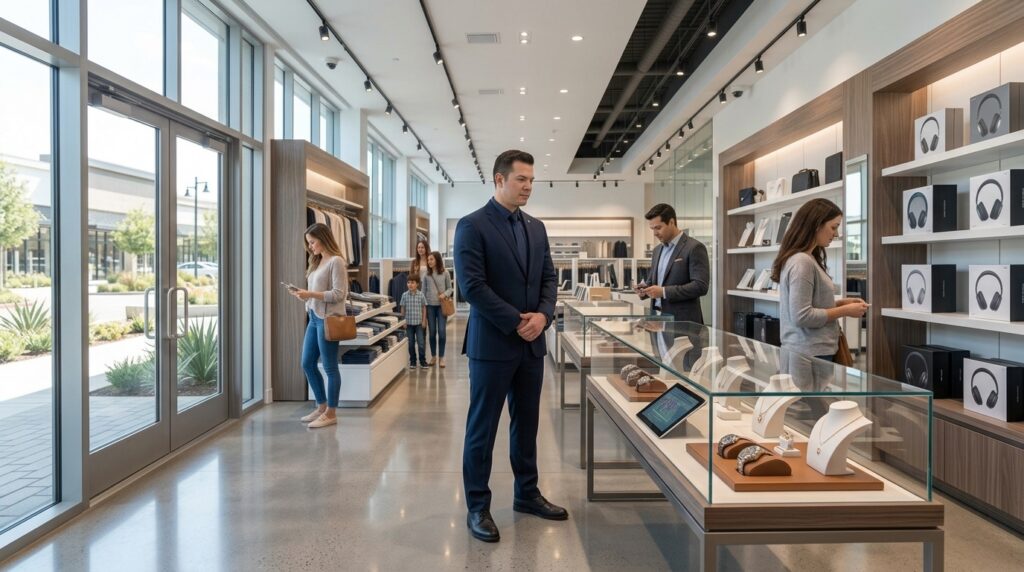
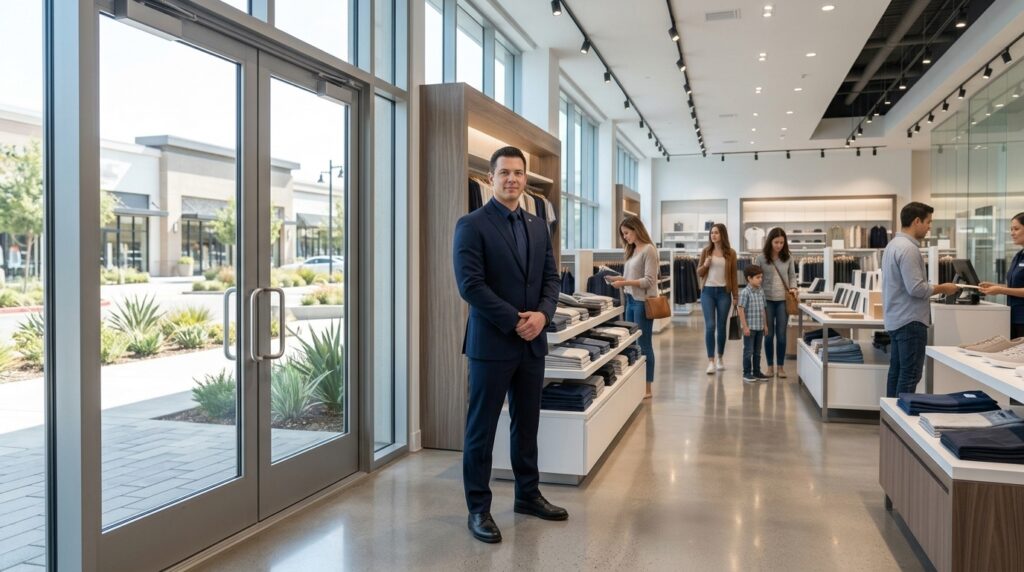
Why Retail Security Matters
Inventory loss can affect a retailer’s profitability, operations, and customer experience.
However, loss prevention is not simply about responding to theft. A professional retail security program can also focus on prevention, awareness, incident documentation, and maintaining a controlled environment.
A Visible Security Presence
A professional security officer can provide a visible presence throughout the store.
This can help communicate that security is taken seriously while giving customers and employees an additional point of contact for security-related concerns.
Monitoring Store Activity
Retail environments can become extremely busy.
Security personnel can remain attentive to activity throughout designated areas while following the store’s established loss prevention procedures.
The goal is to support a professional environment without unnecessarily disrupting normal customer activity.
Protecting Inventory
Retail stores may carry valuable merchandise that is easily accessible to customers.
A structured loss prevention approach can help businesses identify areas where additional attention may be beneficial, such as high-value merchandise sections, entrances, exits, and other designated locations.
Supporting Employee Safety
Security personnel can also contribute to the overall security environment for employees.
They may observe unusual activity, assist with established security procedures, and document incidents that require management attention.
Professional Incident Reporting
Good documentation can help management understand recurring security concerns.
Reports may provide useful information about when and where incidents occur, allowing businesses to review their existing procedures and determine whether additional measures may be appropriate.
Security During Peak Shopping Periods
Retail security needs can change throughout the year.
Busy weekends, holidays, promotional periods, and other high-traffic times may require additional security attention depending on the store’s circumstances.
Flexible security scheduling can help retailers address these changing needs.
Creating a Better Security Strategy
Retail loss prevention works best when it is integrated into the overall operation of the store.
Depending on the business, a security program may include:
- Retail security officers
- CCTV monitoring
- Access monitoring
- Incident reporting
- Roving patrols
- Opening and closing security coverage
Final Thoughts
Retail loss prevention is about more than protecting merchandise.
A professional security presence can help retailers maintain awareness, support employees, protect customers, and create a more controlled environment.
For California retailers, a security program designed around the store’s size, location, inventory, operating hours, and specific concerns can provide a practical approach to loss prevention.